
Comparing Zeus and Hades: A Detailed Analysis of Their Stats and Abilities in Mythology
Comparing Zeus and Hades: A Detailed Analysis of Their Stats and Abilities in Mythology
Zeus and Hades are two of the most prominent figures in Greek mythology, each embodying different aspects of the divine and natural world. While they are brothers, their domains and attributes set them apart. This analysis examines their stats and abilities, shedding light on their unique roles in mythology.

Hades: The God of the Underworld
Hades is primarily known as the ruler of the Underworld, the realm of the deceased. He oversees the afterlife and ensures the balance between life and death. Hades is not considered evil; rather, he is a necessary figure who maintains order in the cycle of existence.
Title and Domain
As the god of the Underworld, Hades holds dominion over the dead and anything associated with death. This includes various creatures and spirits that inhabit his realm, making him an entity of significant power.
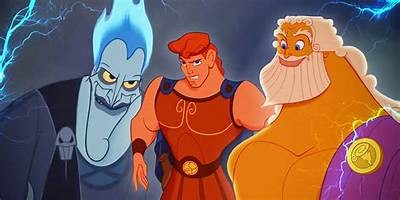
Personality and Representation
Hades is often portrayed as stern but fair. Unlike his brother Zeus, who is associated with light and joy, Hades embodies darkness and mystery. He is depicted as having a limited presence in the affairs of the living, yet he plays a crucial role in maintaining the balance of life.
Powers and Abilities
Hades possesses numerous abilities that make him a formidable figure. Some of his primary powers include:

- Control Over the Dead: Hades governs all souls that enter his realm, ensuring they are judged fairly.
- God of Wealth: Known as the "God of Riches," Hades also rules over the minerals and riches found beneath the Earth's surface.
- Invisibility: Hades possesses a helmet that grants him the power of invisibility, allowing him to move undetected among gods and mortals.
Zeus: The King of the Gods
Zeus, on the other hand, is celebrated as the king of the gods and ruler of Mount Olympus. He presides over the skies, weather phenomena, and social order, representing law, fairness, and governance.
Title and Domain
Zeus is referred to as "Sovereign of the Skies," reigning over all celestial matters. His control over lightning and thunder symbolizes his vast power and authority.
Personality and Representation
Unlike Hades, Zeus is typically depicted as lively, powerful, and often unpredictable. He is known for his affairs and ties to numerous mortals and gods, highlighting a more human aspect to the divine.
Powers and Abilities
Zeus’s range of powers includes:
- Thunderbolts: Zeus wields the power to unleash thunder and lightning, a symbol of his authority and terrifying might.
- Shape-Shifting: He possesses the ability to transform into various beings to either interact with mortals or avoid detection.
- Control of Weather: Zeus can manipulate weather patterns, controlling storms, rain, and winds, impacting both the lives of mortals and nature.
Comparative Analysis: Strengths and Weaknesses
Strengths
Both deities possess immense strengths that are contextually effective within their realms. Hades excels in the management of death and the Underworld, while Zeus’s strength lies in his rule over the other Olympian gods and his power to influence the natural world.
Weaknesses
Each god also has weaknesses that can be exploited. Hades's lack of involvement in worldly affairs can lead to misunderstandings and fear from mortals. Zeus, on the other hand, can be perceived as impulsive and prone to conflict due to his many relationships.
Conclusion: The Balance of Power
Ultimately, Zeus and Hades represent complementary forces within Greek mythology. Together, they illustrate the duality of existence—life and death, joy and sorrow, light and darkness. Their narratives enrich the tapestry of mythology and provide insight into ancient Greek values regarding divinity and the human experience.
Related Tags
Greek mythology, Zeus, Hades, mythology comparison, gods and goddesses, ancient Greek religion ```