
Understanding the Meaning and Symbolism of the Midas Touch in Literature and Culture
The story of King Midas, a figure from Greek mythology, tells of a ruler who was granted the ability to turn everything he touched into gold. While this gift initially seems like a blessing, it soon becomes a curse, leading to hunger and despair when Midas realizes that even food and drink turn to gold upon touch. This duality of the Midas Touch encapsulates the complex nature of greed and desire for wealth, which has implications that resonate through literature and culture to this day.
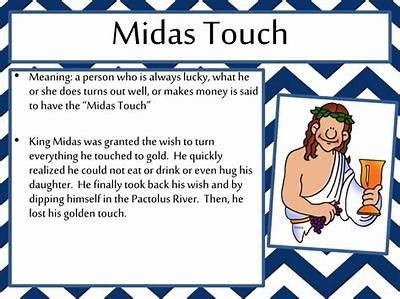
The legend of Midas dates back to ancient times, illustrating the age-old themes of wealth and its consequences. The story serves as both a cautionary tale and an exploration of human nature. By examining the historical context of the Midas myth, we gain insights into the societal values placed on wealth and the moral lessons that were imparted through storytelling.

The Midas Touch has been referenced in various literary works, each reinterpreting the myth in unique ways. Authors often use the symbolism of Midas to critique contemporary issues surrounding capitalism, greed, and materialism. In some narratives, characters who embody the Midas Touch find themselves isolated in their pursuit of wealth, thus resonating with audiences who understand the emptiness behind the relentless chase for riches.
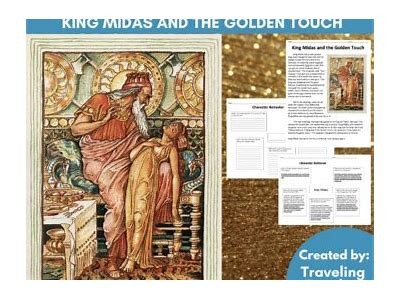
Gold, in the context of the Midas Touch, symbolizes not just material wealth, but also power, success, and sometimes corruption. Within literature, gold can represent both the allure of prosperity and its potential to degrade moral values. The transformation of items into gold mirrors the way ambition can distort relationships, leading to loneliness and despair. Gold is often depicted as a double-edged sword—providing comfort yet provoking jealousy and greed.

In contemporary society, the Midas Touch has been reimagined in various media, including films, music, and art. These modern interpretations often highlight the illusion of success that wealth brings, revealing the psychological toll it takes on individuals. By exploring the Midas myth through modern lenses, creators expose the timeless concerns of ambition, ethics, and the pursuit of happiness in an increasingly consumerist world.

The ramifications of the Midas Touch extend into the realm of psychology, shedding light on the human psyche’s relationship with wealth and desire. The transformation story resonates with struggles surrounding emotional fulfillment, often exposing the disconnection between material success and personal happiness. Psychological analyses reveal that those who possess the so-called Midas Touch may suffer from anxiety and existential crisis as they grapple with the hollowness of their achievements. Cultural Reflections on Greed and Happiness
Across cultures, the motif of Midas serves as a lens through which to understand greed and its implications for happiness. In examining various cultural narratives, we can see how societies respond to the temptations of wealth and success. The Midas myth encourages critical thinking about what constitutes true happiness—asking whether wealth alone can bring joy, or if it ultimately leads to discontent. Midas in Popular Culture
From television shows to video games, the Midas Touch continues to be a recurring theme in popular culture. Characters with the ability to create wealth often face downfall, echoing the original moral of the Midas myth. Analyze how creators utilize this archetype to explore deeper truths about desire and the risk of losing one's humanity in the pursuit of material gain. It raises questions about the nature of success and its impact on relationships and personal identity. Conclusion: The Lasting Legacy of the Midas Touch
The enduring nature of the Midas Touch in literature and culture underscores its relevance in contemporary discussions about wealth, happiness, and moral integrity. As we navigate our own aspirations for success, the story of King Midas serves as a potent reminder of the importance of balance, humility, and the quest for genuine fulfillment. Whether through ancient tales or modern narratives, the lessons of Midas continue to resonate, challenging us to reflect on our values and the true meaning of prosperity.